



Project Description
Cloneshouse serves as a Monitoring, Evaluation, and Learning (MEL) partner for the Maize Alliance project in Nigeria, supporting the generation of robust, field-based evidence on the agronomic performance, economic viability, and adoption potential of TELA maize varieties. The project assesses how TELA maize performs compared with farmers’ preferred maize varieties, including Open-Pollinated Varieties (OPVs), to inform agricultural innovation, improved seed adoption, and smallholder productivity.
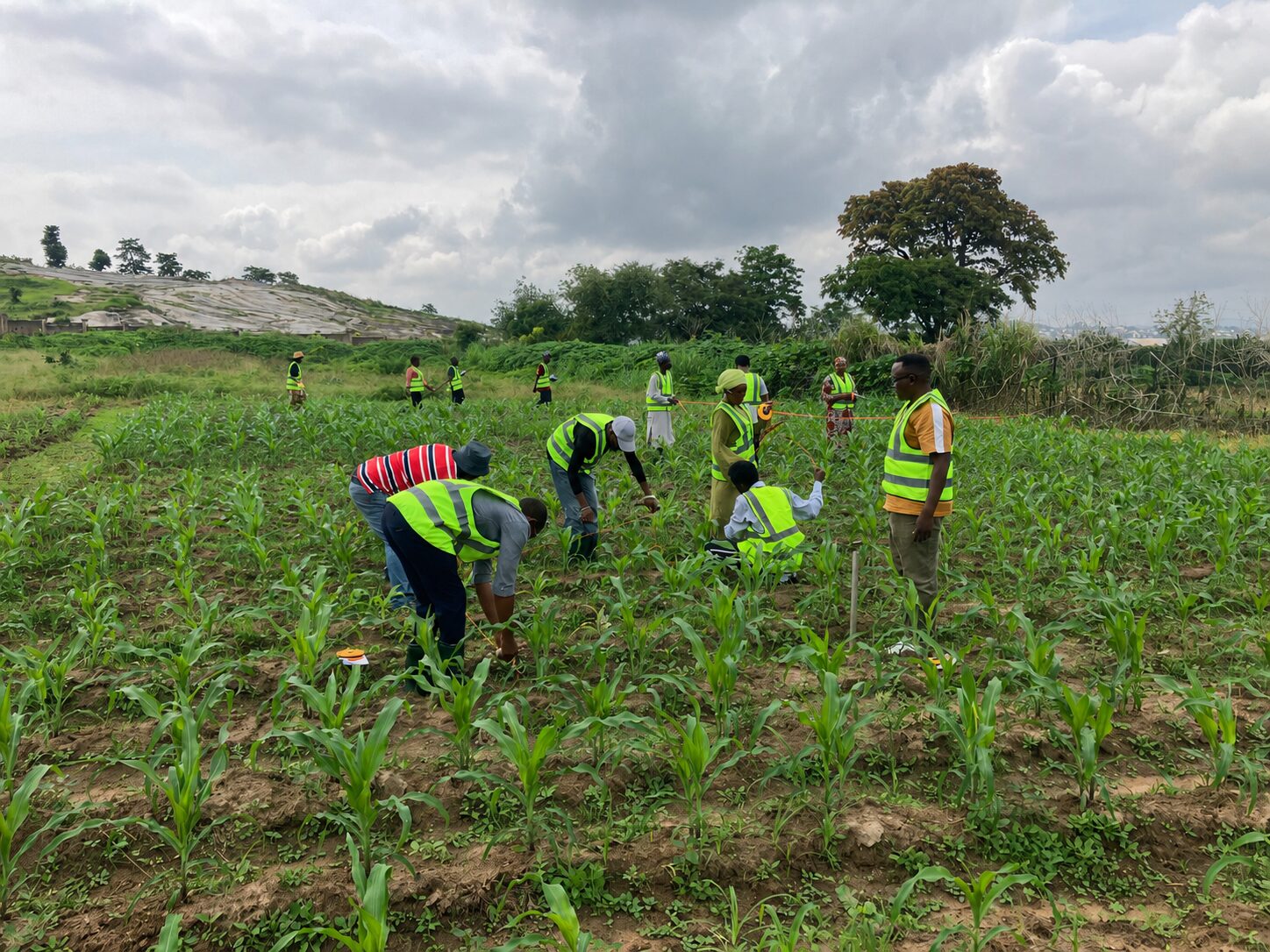
Under this engagement, Cloneshouse designs and implements a comprehensive monitoring and evaluation approach covering baseline assessments, germination and crop emergence monitoring, midseason observations, harvest measurements, and endline farmer surveys. Working across participating states in Nigeria, our team coordinates field data collection, trains and supervises enumerators, and applies standardised measurement protocols to generate reliable comparative evidence on crop establishment, plant growth, pest and disease incidence, grain yield, and farmer experiences. The assessment also examines production practices, input costs, farmgate prices, and farmers’ perceptions of TELA maize to better understand its potential benefits and barriers to adoption.
A central component of our work involves strengthening data quality and analytical rigour throughout the agricultural production cycle. Cloneshouse deploys digital data collection tools, GPS-enabled plot verification, photographic evidence, standardised crop-cutting procedures, and moisture-adjusted yield calculations to assess the performance of TELA and comparator maize varieties. Through systematic data validation, field-level quality assurance, and comparative analysis, we identify performance differences, investigate anomalies, and generate evidence that can inform programme implementation and decision-making.
Beyond performance measurement, Cloneshouse supports continuous learning by synthesising field observations, farmer feedback, and emerging findings into actionable insights for project stakeholders. The evidence generated contributes to a better understanding of TELA maize performance under real farming conditions, the factors influencing farmer adoption, and opportunities to strengthen seed systems and agricultural productivity.
Implemented during the 2026 farming season, the project reinforces Cloneshouse’s expertise in agricultural monitoring and evaluation, field-based research, digital data systems, and evidence-driven learning. It reflects our commitment to supporting agricultural innovations through credible measurement and practical insights that inform sustainable agricultural development in Nigeria.
Scope of Work
- Baseline Assessment and Farmer Profiling
- Germination, Crop Emergence, and Midseason Performance Monitoring
- Harvest Measurement, Crop-Cutting, and Comparative Yield Analysis
- Farmer Perception, Adoption Potential, and Economic Assessment
- Digital Data Collection, Data Quality Assurance, and Statistical Analysis
- Evidence Synthesis, Learning, and Strategic Recommendations

Leave A Comment